Pests and diseases can wipe out a season—but the answer isn’t always more spray. Here’s how to prevent problems, spot them early, and control them in ways that protect your crop, your soil, and your wallet.
Pests and diseases are a fact of farming. Insects, fungi, viruses, and weeds compete with your crops for nutrients, light, and space. The temptation is to reach for the strongest pesticide or fungicide. But overuse can harm beneficial insects, pollute water, leave residues on produce, and even make pests resistant so that next season the same chemical doesn’t work. At AgroTek we support integrated pest and disease management: a mix of prevention, monitoring, and targeted control that keeps problems in check without wrecking your farm or your budget.
Prevention comes first. Healthy, well-fed plants are better at resisting pests and diseases. Use quality seed or seedlings, rotate crops so that the same pest or pathogen doesn’t build up in one field, and space plants so that air moves and leaves dry quickly (reducing fungal disease). Remove or destroy badly infected plants to stop spread. Keep the field and borders clean of weeds and crop residues that harbour pests. Where possible, choose resistant or tolerant varieties—they’re one of the most cost-effective tools you have.
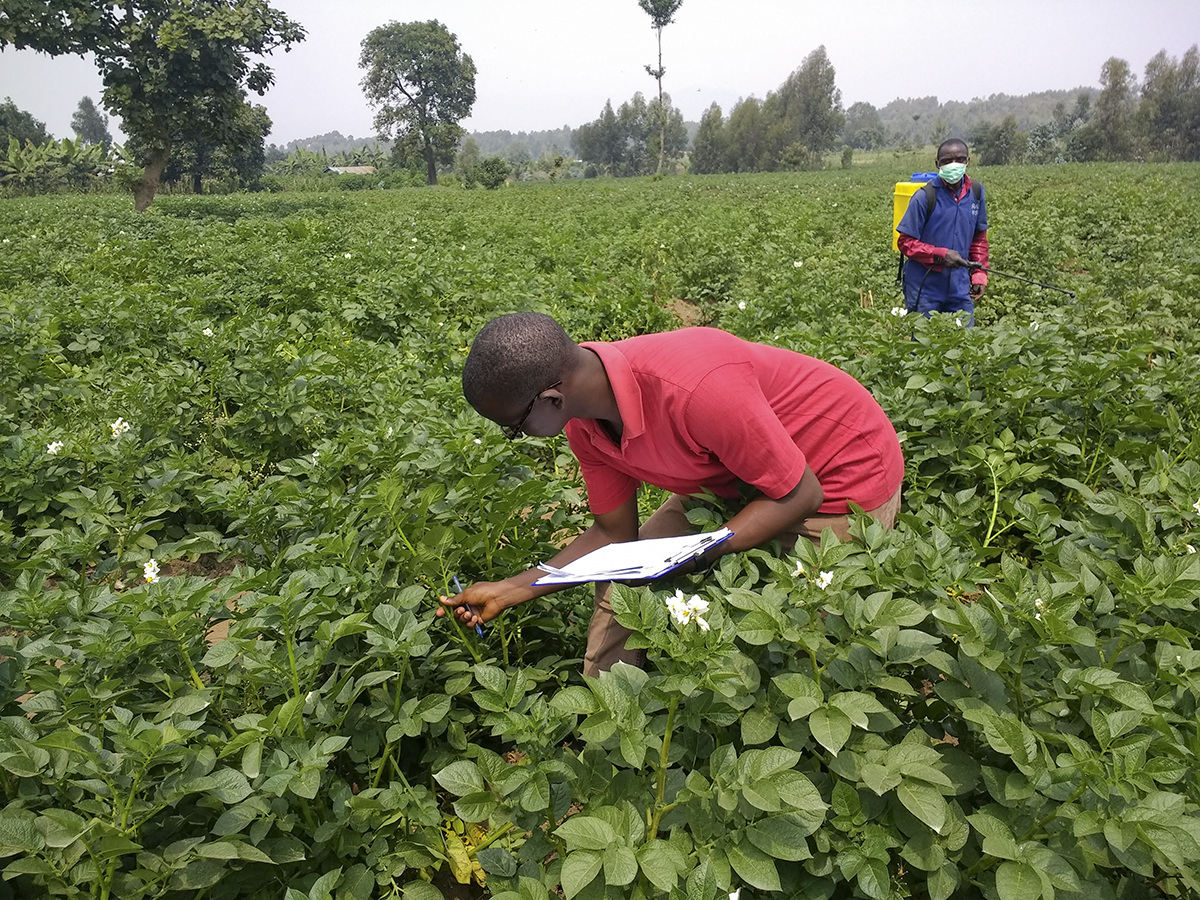
Monitoring means checking your fields regularly. Learn to recognise the main pests and diseases for your crops: chewed leaves, spots, wilting, or stunted growth. Catch problems early; a few affected plants are easier to manage than a whole field. You can use simple traps or counts to decide when action is needed instead of spraying on a fixed schedule. That way you only spend money and use chemicals when it’s justified.
When you do need to control, use the least harmful option first. Hand-picking insects, using sticky traps, or encouraging natural enemies (e.g. birds, beneficial insects) can reduce numbers. Botanical or biopesticides are often gentler on the environment than broad-spectrum synthetics. If you use chemical pesticides or fungicides, choose the right product for the right pest or disease, follow the label for dose and timing, and avoid spraying when bees or other beneficials are active. Rotate modes of action to slow resistance. Managing pests and diseases wisely protects your harvest, your soil, and your health—and keeps your farm productive for the long term.